As pet owners in Portland, we want nothing but the best for our furry companions. Similar to humans, dogs can experience a range of physical conditions that may impact their mobility and overall well-being. Thankfully, the emergence of dog physical therapists offers a glimmer of hope for many pets facing mobility challenges. In this article, we will examine how a dog physical therapist can assist in restoring your pet’s mobility, improving their quality of life, and helping them make the most of their golden years.
Understanding the Role of a Dog Physical Therapist
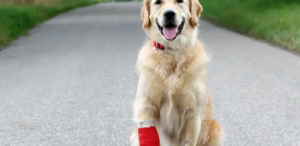 A dog physical therapist is a trained professional who specialises in diagnosing and treating physical impairments in dogs. They utilise various therapeutic techniques and modalities to address issues such as pain, weakness, and decreased range of motion. Dog physical therapists often have backgrounds in veterinary medicine, animal science, or physical therapy, and they work closely with veterinarians to develop comprehensive treatment plans tailored to each dog’s specific needs.
Common Conditions Treated by Dog Physical Therapists
- Post-Surgery Rehabilitation: After orthopedic surgeries like cruciate ligament repairs or hip replacements, dogs often require physical therapy to regain strength and mobility. A dog physical therapist can design a rehabilitation program that gradually reintroduces movement and builds strength.
- Arthritis and Joint Pain: As dogs age, they may develop arthritis, leading to chronic pain and reduced mobility. Physical therapy can significantly help manage pain, improve joint function, and enhance overall quality of life.
- Neurological Disorders: Conditions affecting a dog’s nervous system, such as intervertebral disc disease (IVDD) or stroke, can impair mobility. A dog physical therapist can implement specialised exercises and therapies to help dogs regain movement and coordination.
- Sports Injuries: Active dogs, especially those involved in agility, obedience, or hunting, can sustain injuries. Physical therapy can effectively help treat these injuries and prevent future occurrences by strengthening the muscles and improving flexibility.
Techniques Used in Dog Physical Therapy
Dog physical therapists employ a variety of techniques to enhance mobility and overall well-being. Some common methods include:
- Therapeutic Exercises: Customised exercise regimens help dogs strengthen muscles, significantly improve flexibility, and restore range of motion. These exercises can include stretching, balancing, and resistance training tailored to the dog’s condition.
- Manual Therapy: Techniques including massage and joint mobilisation can effectively alleviate pain, reduce muscle tension, and enhance circulation. This hands-on approach can be especially beneficial for dogs recovering from surgery or dealing with chronic pain.
- Hydrotherapy: Water therapy allows dogs to exercise with minimal strain on their joints. This technique is particularly effective for rehabilitation, as the buoyancy of water reduces the impact on sore joints while providing resistance for strengthening.
- Laser Therapy: Low-level laser therapy can promote healing and reduce inflammation by increasing circulation in the affected areas. This non-invasive treatment option is often significantly used in conjunction with other therapeutic techniques.
- Acupuncture: Some dog physical therapists are trained in acupuncture, which greatly involves inserting fine needles into specific points on the body to alleviate pain and improve function. This ancient practice can complement physical therapy treatments for various conditions.
Benefits of Dog Physical Therapy
The advantages of seeking the assistance of a dog physical therapist are numerous:
- Improved Mobility: The primary goal of physical therapy is to restore mobility. By addressing underlying issues, a dog physical therapist can help your pet regain their ability to walk, run, and play.
- Pain Management: A dog physical therapist can use various techniques to significantly reduce your pet’s pain levels, enhancing its overall comfort and happiness.
- Enhanced Quality of Life: As mobility improves, so does your dog’s overall quality of life. They can engage in activities they love, reducing feelings of frustration or sadness often associated with decreased mobility.
- Preventative Care: Regular sessions with a dog physical therapist can help identify potential issues before they become severe, allowing for early intervention and prevention.
Conclusion
Investing in the services of a dog physical therapist can be one of the best decisions you can significantly make for your furry friend. With their expertise, your pet can regain mobility, alleviate pain, and significantly improve their quality of life. By working closely with a dog physical therapist, you are not only helping your pet recover but also ensuring they can continue to enjoy the activities that bring them joy. Don’t hesitate to reach out to a professional in Portland—your dog’s well-being depends on it!