When you buy baling twine, the decision impacts various aspects of your agricultural operations, from the efficiency of your baling process to the quality and preservation of your bales. Baling twine is a crucial component for securing bales of hay, straw, and other materials, ensuring they remain compact and manageable. Here are the most important factors to consider when you buy baling twine to ensure you select the best option for your needs.
Material
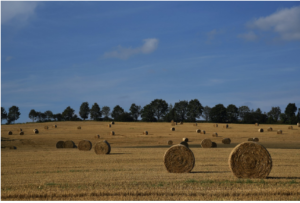 Baling twine is commonly made from two primary materials: polypropylene and sisal. Each has distinct advantages and considerations.
Polypropylene Twine: This synthetic material is favoured for its durability, resistance to UV rays, and resistance to rot. It is suitable for outdoor storage and long-term use. Polypropylene twine is available in various colours, which can be useful for managing different types of bales or crops.
Sisal Twine: Sisal is a natural fibre, making it biodegradable and environmentally friendly. It is often preferred in organic farming and eco-conscious operations. However, sisal twine is less durable than polypropylene and more susceptible to rot and UV degradation.
Strength and Durability
Strength is a critical factor when you buy baling twine. The strength of twine is measured in terms of knot strength, which indicates the force required to break the twine when knotted. Stronger twine can handle heavier loads, reducing the risk of breakage during handling and transportation. This strength translates into fewer interruptions in your baling operations and less wastage.
Twine Length and Weight
The length and weight of the twine are also important considerations. Baling twine is typically sold in rolls or bales with varying lengths and weights. For large-scale operations, longer lengths are more economical, reducing the frequency of twine changes. However, it’s crucial to balance the length and weight to ensure that the twine does not add excessive bulk or weight to your bales.
UV Resistance
UV exposure can significantly degrade twine over time, weakening it and making it prone to breakage. UV-resistant twine is treated to withstand prolonged exposure to sunlight, which is essential if your bales are stored outdoors.
Knotting Ability
The ability of the twine to hold knots securely is essential for maintaining the integrity of the bales. Poor knotting ability can result in loose or poorly secured bales, complicating transport and storage. Look for twine that knots easily and holds those knots tightly, ensuring your bales remain secure.
Compatibility with Baling Equipment
Not all baling twine is compatible with every type of baler. It’s crucial to choose twine that matches the specifications of your baling equipment. Using incompatible twine can lead to jams, inefficient baling, and increased maintenance costs.
Environmental Impact
For environmentally-conscious buyers, the type of twine they choose can have significant ecological implications. Biodegradable twines, such as sisal, decompose naturally and are sustainable options. Polypropylene twine, while durable, is not biodegradable and contributes to plastic waste. Consider your environmental impact when choosing the type of twine to purchase.
Colour Coding
Colour-coded twine can be a valuable tool for managing different types of bales or crops. Different colours can help quickly identify the contents or intended use of bales, streamlining the workflow and improving efficiency. When you buy baling twine, consider if colour coding can benefit your operation.
Supplier Reputation
The reputation of the supplier is a crucial factor in ensuring you get consistent quality and reliable service. A reputable supplier will offer high-quality products, timely deliveries, and good customer support. Research suppliers read reviews, and seek recommendations from other farmers or industry professionals to find a trustworthy source for your baling twine.
Conclusion
When you buy baling twine, taking the time to consider, these factors can make a significant difference in the efficiency and success of your baling operations. By focusing on the material, strength, length, UV resistance, knotting ability, compatibility with equipment, environmental impact, cost, colour coding, and supplier reputation, you can ensure that you choose the best twine for your needs. High-quality baling twine not only enhances your productivity but also contributes to the overall success of your agricultural activities.
Selecting the right baling twine is more than just a purchase; it’s an investment in the efficiency, sustainability, and effectiveness of your farming operations. Making an informed decision will help you avoid common pitfalls and ensure your bales are secure, well-preserved, and manageable, ultimately supporting the smooth running of your farm or agricultural business.