In today’s world, where sustainability and environmental consciousness are becoming increasingly important, industries across the board are seeking greener alternatives to traditional materials. One such material that is gaining popularity in agriculture is sisal baler twine. Made from natural fibres, sisal baler twine is a sustainable, biodegradable, and reliable solution for securely tying bales of hay, straw, and other crops. This eco-friendly option not only meets the needs of modern farmers in Australia but also offers a host of advantages that synthetic twine cannot match.
What is Sisal Baler Twine?
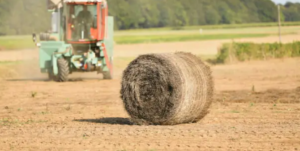 Sisal baler twine is made from the fibres of the Agave sisalana plant, a hardy species native to Mexico and widely cultivated in other tropical and subtropical regions. The fibres extracted from the sisal plant are strong, durable, and biodegradable, making them an excellent choice for baling twine. Farmers and agricultural workers use sisal baler twine to tie and secure bales of hay, straw, and other crops for easy handling, storage, and transport.
The Eco-Friendly Advantage of Sisal Baler Twine
One of the most compelling reasons to choose sisal baler twine is its environmental benefits. Unlike synthetic twine, which is typically made from petroleum-based products like polypropylene, sisal is a natural, renewable resource. This means that it has a significantly lower environmental impact in terms of production and disposal.
- Biodegradability: One of the key advantages of sisal baler twine is its ability to decompose naturally. While synthetic twine can take hundreds of years to break down, sisal begins to biodegrade in just a few months. This feature is particularly important for farmers who want to reduce waste on their farms and avoid contributing to the buildup of plastic in the environment. After use, sisal twine can be left in the fields without harming the soil, as it decomposes without leaving harmful residues.
- Renewable Resource: Sisal is derived from a plant that can be cultivated repeatedly, making it a renewable and sustainable option. The Agave sisalana plant is fast-growing and requires minimal chemical inputs, such as pesticides or fertilisers, to thrive. This makes sisal farming an eco-friendly practice compared to the production of synthetic twine, which relies heavily on fossil fuels.
- Low Carbon Footprint: The production process for sisal fibres is much less energy-intensive than that of synthetic materials. Since sisal is a plant-based product, its cultivation also helps sequester carbon dioxide from the atmosphere, contributing to the fight against climate change. The overall carbon footprint of sisal baler twine is, therefore, much lower than that of synthetic alternatives.
Durability and Strength
While its environmental benefits are a major draw, sisal baler twine also excels in terms of performance. Farmers and agricultural workers need twine strong enough to withstand the rigours of baling, transporting, and storing crops, and sisal delivers in this regard.
- Tensile Strength: Sisal baler twine is known for its impressive tensile strength, which makes it ideal for securely tying large, heavy bales. Its natural fibres are tough and durable, capable of holding up under pressure without snapping or fraying.
- Resistant to Weather Conditions: Sisal twine is resistant to harsh weather conditions, including heat and humidity, which are often encountered during the baling process. It makes it a reliable option for farmers who need twine that can withstand the elements and continue to perform well, even in challenging environments.
- Grip and Knotting: Sisal fibres have a natural rough texture that provides excellent grip, allowing the twine to hold knots securely. It reduces the risk of bales coming undone during handling or transport, ensuring that crops remain intact and safe from damage.
Conclusion
In an era where sustainability and eco-conscious practices are at the forefront of many industries, sisal baler twine stands out as a practical, eco-friendly solution for securing bales and more. Its natural, biodegradable composition ensures that it won’t contribute to environmental pollution, while its strength and versatility make it a reliable tool for agricultural, craft, and industrial purposes.
By choosing sisal baler twine, farmers and consumers alike in Australia can enjoy the benefits of a strong, durable product while making a positive impact on the environment. In short, sisal baler twine is a natural, renewable, and sustainable choice that combines functionality with eco-friendliness, making it the perfect option for those seeking a greener alternative.