Maintaining a beautiful garden in Adelaide, South Australia, requires consistent care and attention throughout the year. The unique climate and soil conditions in Adelaide can present challenges, but with the proper knowledge and practices, anyone can achieve a flourishing outdoor space.
This guide covers the essential aspects of garden maintenance in Adelaide, ensuring your garden thrives. For professional Guaranteed Garden Services garden maintenance services, click here.
Understanding Adelaide’s Climate
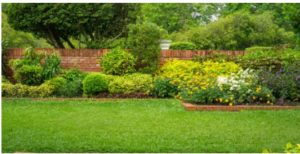 Adelaide enjoys a Mediterranean climate characterised by hot, dry summers and mild, wet winters. This climate impacts the types of plants that thrive in the region and the garden maintenance practices needed to keep them healthy.
During summer, temperatures can soar, often exceeding 40°C (104°F). Watering becomes crucial to prevent plants from wilting. In contrast, winter brings cooler temperatures and occasional rain, allowing for natural watering but requiring protective measures for delicate plants. Understanding these seasonal changes is vital for effective garden maintenance.
Choosing the Right Plants
Selecting the right plants is the first step in successful garden maintenance. Native Australian plants, such as kangaroo paws, bottlebrushes, and flowering gums, are well-suited for Adelaide’s climate. These plants are drought-resistant and require less water and care, making them ideal for low-maintenance gardens.
Additionally, consider incorporating a variety of perennials, shrubs, and annuals that complement your landscape. The right mix of plants will provide year-round interest and require specific maintenance techniques suited to their growth habits.
Essential Garden Maintenance Tasks
Regular Watering
Watering is perhaps the most critical aspect of garden maintenance in Adelaide. During the hot summer months, it’s essential to water your garden deeply and regularly. Early morning is the best time to water, as it significantly reduces evaporation and allows plants to completely absorb moisture before the heat of the day.
Consider installing a drip irrigation system or soaker hoses to significantly ensure efficient watering, particularly for larger gardens. This method efficiently delivers water directly to the roots, minimising waste and promoting healthy plant growth.
Pruning and Deadheading
Regular pruning and deadheading are vital for maintaining the health and appearance of your plants. Pruning helps to control growth, remove dead or diseased branches, and encourage new growth. Most shrubs and trees benefit from pruning in late winter or early spring before the growing season starts.
Deadheading, or removing spent flowers, effectively encourages plants to significantly produce more blooms and prevents them from going to seed too early. This practice is especially beneficial for flowering plants in Adelaide, as it promotes continuous blooming throughout the growing season.
Soil Health and Fertilisation
Healthy soil is the strong foundation of a thriving garden. Conducting a soil test can effectively help you understand its nutrient content and pH levels. Based on the results, you can significantly amend the soil with organic matter, including compost or well-rotted manure, to enhance its fertility.
Fertilising your garden with a balanced, slow-release fertiliser in spring ensures your plants receive the nutrients they need for robust growth. Organic fertilisers are preferable as they improve soil health while providing essential nutrients.
Weed Control
Weeds seriously compete with your plants for nutrients, water, and sunlight, making effective weed control a crucial part of garden maintenance. Always make it a habit to regularly inspect your garden for weed growth and remove them promptly, either by hand or with tools.
Consider applying mulch around your plants to significantly suppress weed growth and retain soil moisture. Organic mulches, including straw or wood chips, break down over time, enriching the soil while preventing weed proliferation.
Pest and Disease Management
Monitoring your plants for indications of pests and diseases is remarkably essential for maintaining a healthy garden. Common pests in Adelaide include aphids, spider mites, and caterpillars. Handpicking, using insecticidal soap, or introducing beneficial insects like ladybugs can help control these pests.
Practicing good garden hygiene, such as removing dead leaves and debris, also reduces the risk of disease. If you notice signs of disease, such as discoloured leaves or stunted growth, consult with a local garden centre for appropriate treatment options.
Conclusion:
Effective garden maintenance in Adelaide requires understanding the local climate, selecting the right plants, and performing regular care tasks. By focusing on watering, pruning, soil health, weed control, and pest management, you can create and maintain a beautiful garden that flourishes throughout the year.