Varicose veins extend beyond mere cosmetic worries; they can bring about discomfort, pain, and potentially severe health complications when disregarded. Grasping the root causes, identifying symptoms, and familiarising oneself with the treatment alternatives becomes imperative for anyone aiming to manage their vein health effectively. This article dives deeply into the realm of varicose veins, illuminating the condition and surveying the wide range of varicose vein treatment options accessible to those impacted.
 Understanding Varicose Veins:
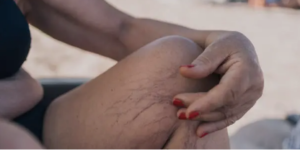
Varicose veins manifest as enlarged and twisted veins, commonly seen on the legs and feet. They arise due to weakened or malfunctioning valves within the veins, resulting in blood accumulation and subsequent vein swelling. This pooling of blood can result in various symptoms, such as:
- Visible veins: Varicose veins often appear as bulging, blue or purple veins that are easily visible beneath the skin.
- Aching or heaviness: A considerable number of individuals affected by varicose veins often endure sensations of aching or heaviness in the afflicted area, especially following extended periods of standing or sitting.
- Swelling: Swelling, especially around the ankles, is another common symptom of varicose veins.
- Discomfort: Some people may experience discomfort or throbbing sensations in the legs, especially after physical activity or at night.
- Skin changes: In advanced instances, varicose veins have the potential to cause alterations in the skin, such as changes in colouration, dryness, or the formation of ulcers.
Treatment Options for Varicose Veins:
Thankfully, various treatment options exist for varicose veins, spanning from lifestyle adjustments to minimally invasive procedures. The selection of treatment hinges on multiple factors, such as the severity of the condition, symptomatology, and the individual’s preferences. Below are some of the most prevalent varicose vein treatment options:
- Compression Therapy: Compression stockings are frequently advised as the initial approach to managing varicose veins. These specially crafted stockings exert pressure on the legs, aiding in the enhancement of blood circulation and alleviation of swelling and discomfort.
- Lifestyle Changes: Basic lifestyle adjustments, including sustaining a healthy weight, engaging in regular exercise, and significantly minimising extended periods of standing or sitting, can mitigate symptoms and hinder the worsening of varicose veins.
- Sclerotherapy: Sclerotherapy constitutes a minimally invasive technique where a solution is injected directly into the impacted veins. This solution provokes irritation to the vein’s lining, prompting its collapse and eventual dissipation. Particularly adept at addressing smaller varicose veins and spider veins, sclerotherapy proves to be highly effective.
- Endovenous Laser Ablation (EVLA): EVLA is a minimally invasive procedure that effectively uses laser energy to heat and seal off the affected vein. By closing the vein, blood is rerouted to healthier veins, relieving symptoms and improving circulation.
- Radiofrequency Ablation (RFA): Similar to EVLA, RFA uses radiofrequency energy to effectively heat and seal off varicose veins. This procedure is highly effective and typically involves minimal discomfort and downtime.
Choosing the Right Treatment:
When considering varicose vein treatment options, it’s essential to consult with a qualified healthcare professional who can assess your condition and recommend the most appropriate course of action. Factors such as the size and location of the varicose veins, the presence of symptoms, and your overall health will influence the treatment decision.
It’s also important to weigh the potential benefits and risks of each treatment option. While minimally invasive procedures like sclerotherapy, EVLA, and RFA offer excellent results with minimal downtime, they may not be suitable for everyone. Surgical interventions may be necessary for more severe cases but typically involve longer recovery times.
Conclusion:
Varicose veins can have a significant impact on quality of life, causing discomfort, pain, and embarrassment for those affected. However, with the wide range of varicose vein treatment options available today, individuals can take control of their vein health and find relief from their symptoms. Whether through compression therapy, lifestyle changes, or minimally invasive procedures like sclerotherapy and laser ablation, there is a solution to suit every need.
If you’re struggling with varicose veins, don’t hesitate to seek help from a qualified healthcare provider. By understanding the condition and exploring your treatment choices, you can take proactive steps towards healthier, happier legs. Taking control of your vein health starts with knowledge and action—so don’t wait; take the first step towards smoother, healthier veins today.